Landscaping
Garden Makeovers
A makeover sits between a tidy-up and a full design commission: the bones of the garden are sound, but the layout has stopped working for the people using it. We rework existing gardens across Cheltenham, Gloucester and the wider Cotswolds — surveyed, drawn, built and planted by one team rather than passed between three.
- Whole-Garden Transformations
- Design & Build
- Patios & Levels
- Outdoor Living
- Planting & Lighting
- Phased to Budget
George-Stone Gardens
A new garden without starting from scratch.
A makeover sits between a tidy-up and a full design commission: the bones of the garden are sound, but the layout has stopped working for the people using it. We rework existing gardens across Cheltenham, Gloucester and the wider Cotswolds — surveyed, drawn, built and planted by one team rather than passed between three.
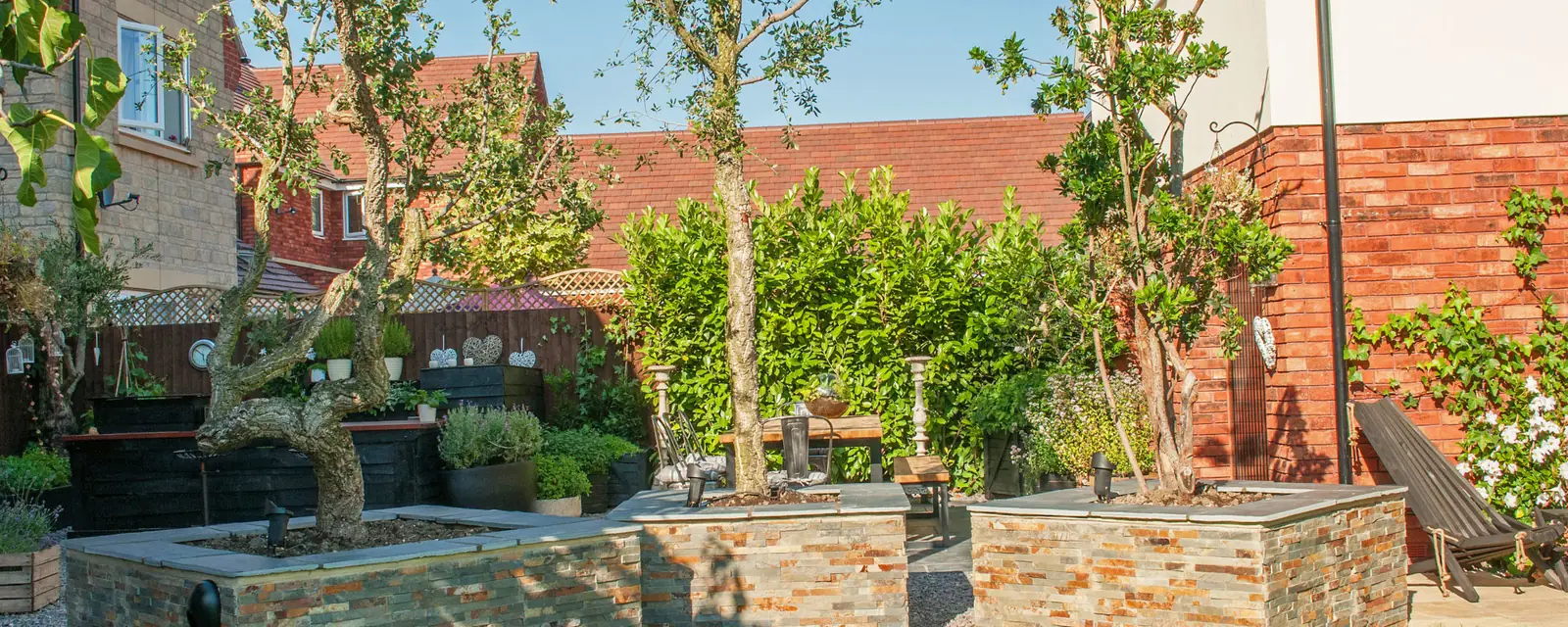
Most gardens we take on have something worth saving. A mature tree, a good stone wall, paving that only looks tired because it has never been cleaned, a lawn that needs levelling rather than replacing. Keeping those things is not sentimentality; it is what keeps the budget on the parts of the garden that genuinely need rebuilding.
What a Garden Makeover Involves
We start with a visit and a proper look around: how the garden sits in relation to the sun, where the wet corners are, what the levels are actually doing, which boundaries are yours to change, and how you want to use the space in five years rather than five weeks. That conversation usually shifts the brief. People often arrive asking for a bigger patio and leave having worked out that the real problem is the garden has no shelter and nowhere worth walking to.
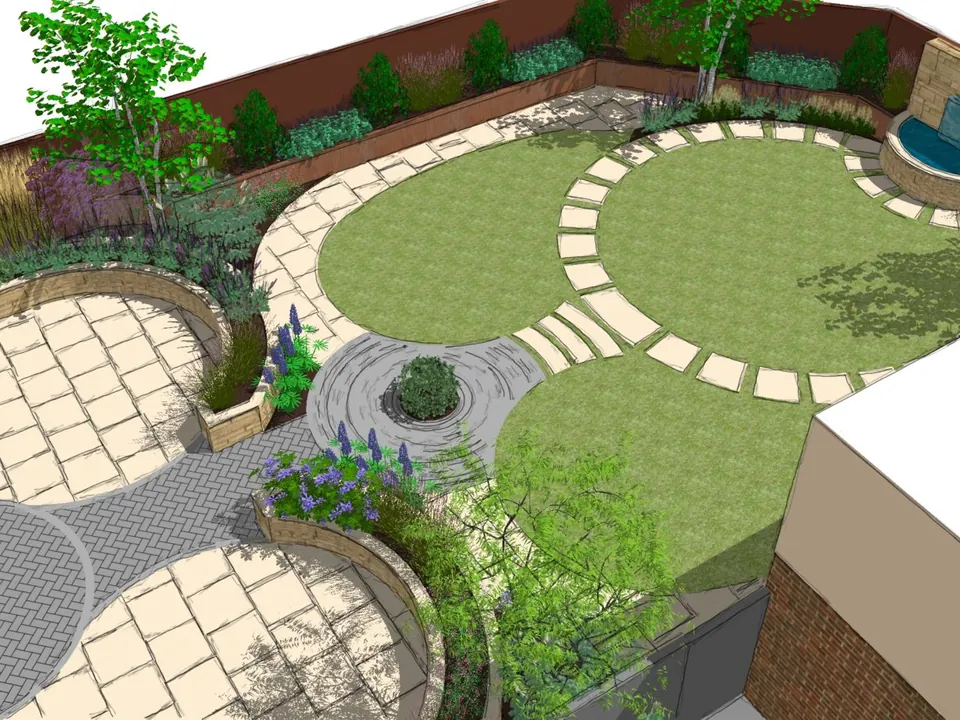
From there we produce a drawing, and on larger makeovers a 3D visual, so the layout can be seen before anything is dug. It is a great deal cheaper to move a wall on paper than in the ground. The quote follows the drawing and is broken down by element, so the cost of the paving sits next to the cost of the planting and decisions can be made against real numbers rather than one figure at the bottom of a page.
Structure First: Levels, Surfaces and Boundaries
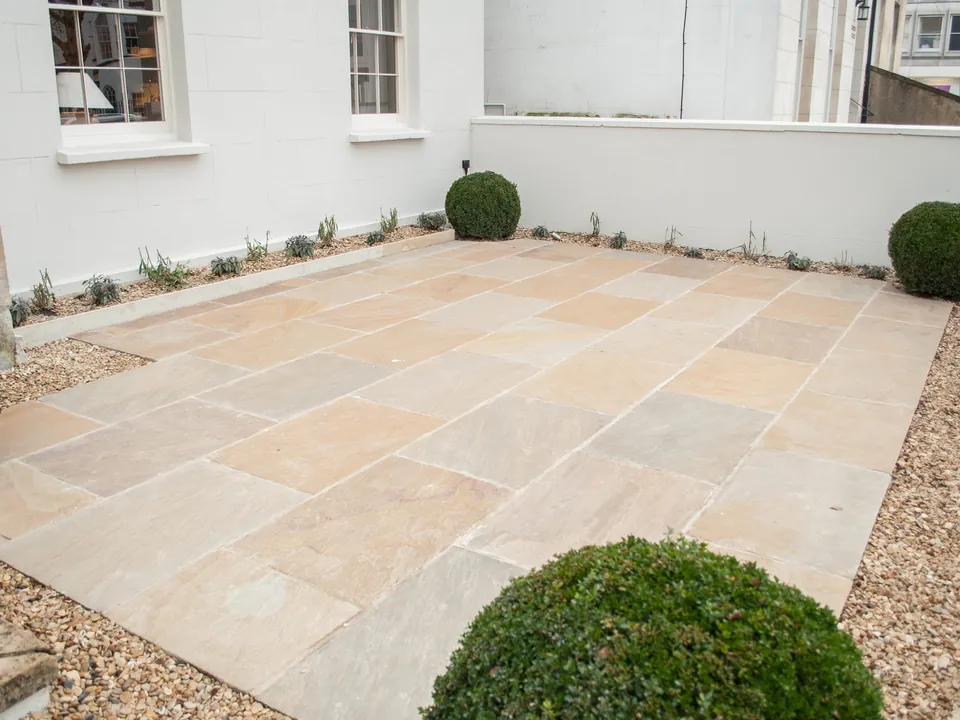
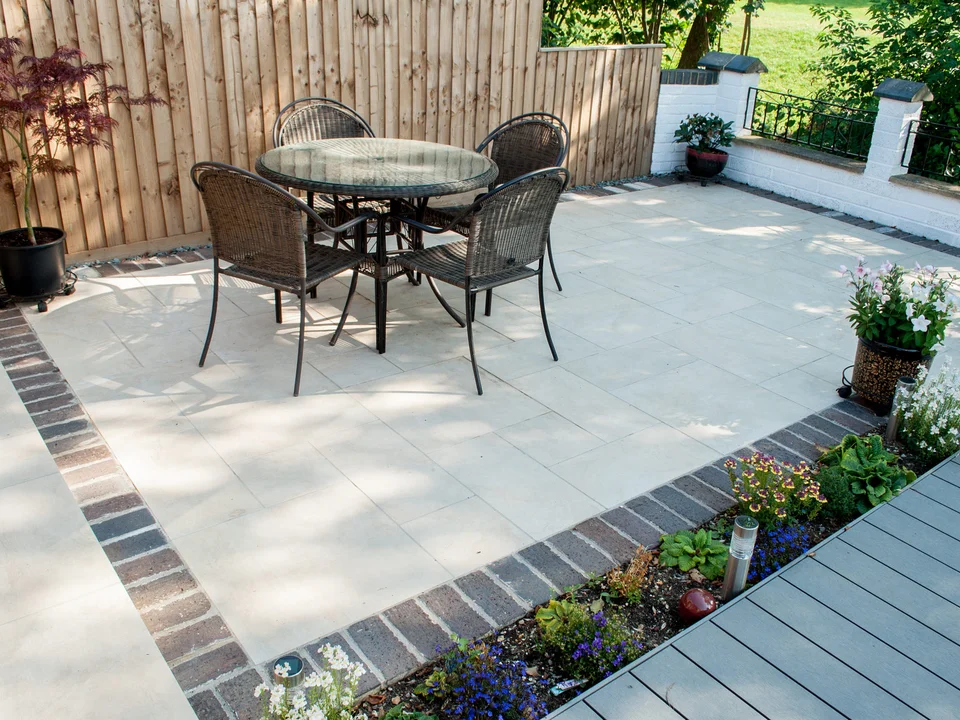
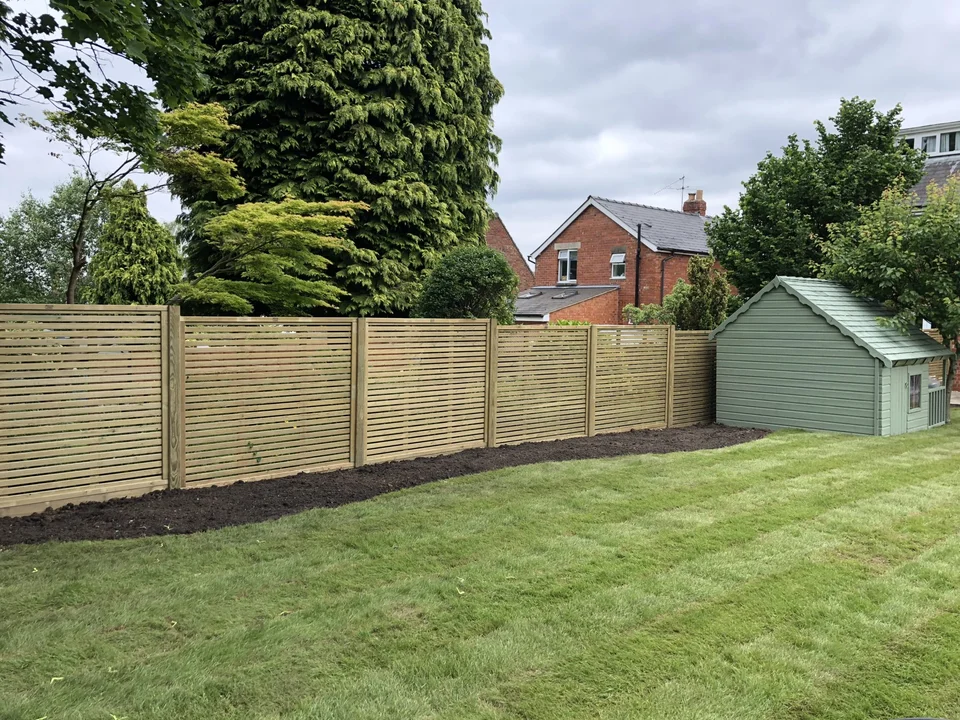
Structure is what makes a garden feel deliberate, and it goes in first. Retaining walls and steps to make sense of a slope, a terrace sized for the furniture you actually own rather than the smallest area that fits, paths that run where people already walk, and boundaries — fencing, screening, hedging — that give privacy without turning the garden into a corridor.
The order of work matters more than most people expect. Anything that runs underground goes in before the surfaces go down: lighting cable, an outside tap, power for a garden room, drainage for a terrace that would otherwise sit wet all winter. Lifting new paving a year later to run a cable is the most avoidable expense in garden building, and we would far rather bury an empty duct now than break a good terrace to add a light later.
Outdoor Living: Where You Will Actually Sit
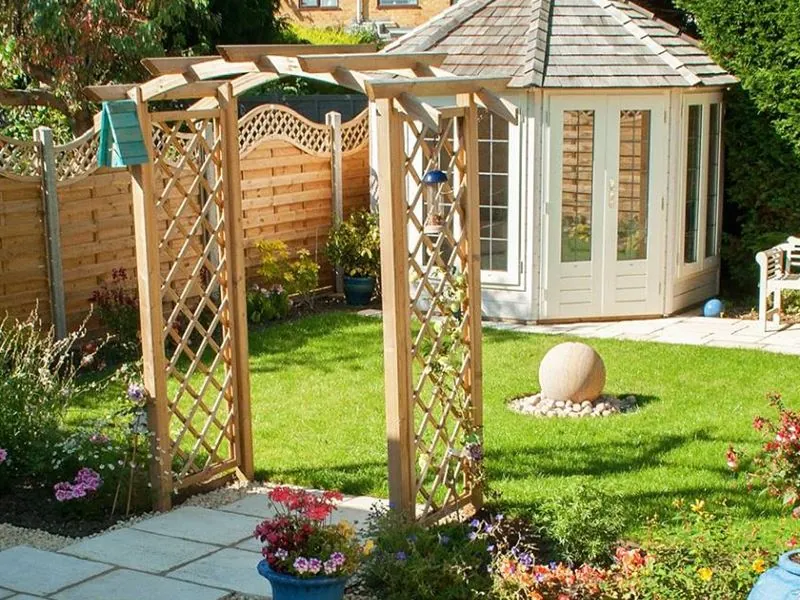
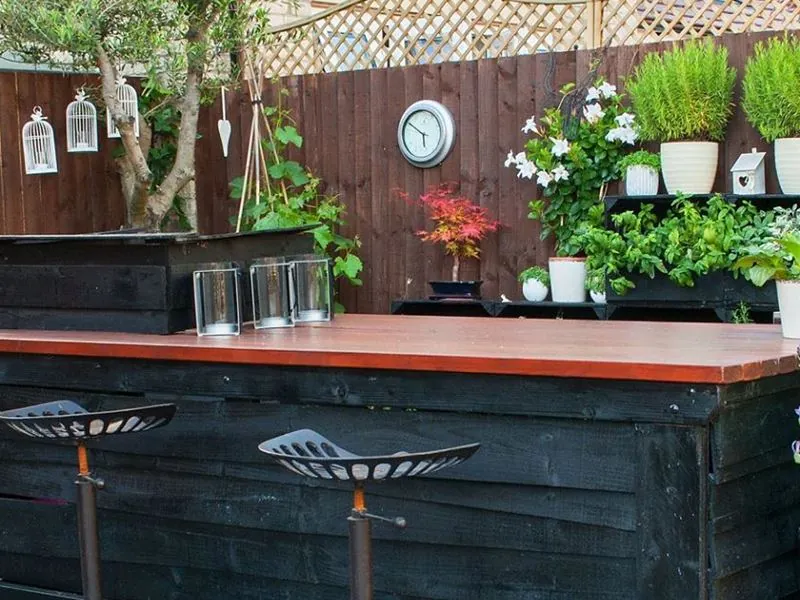
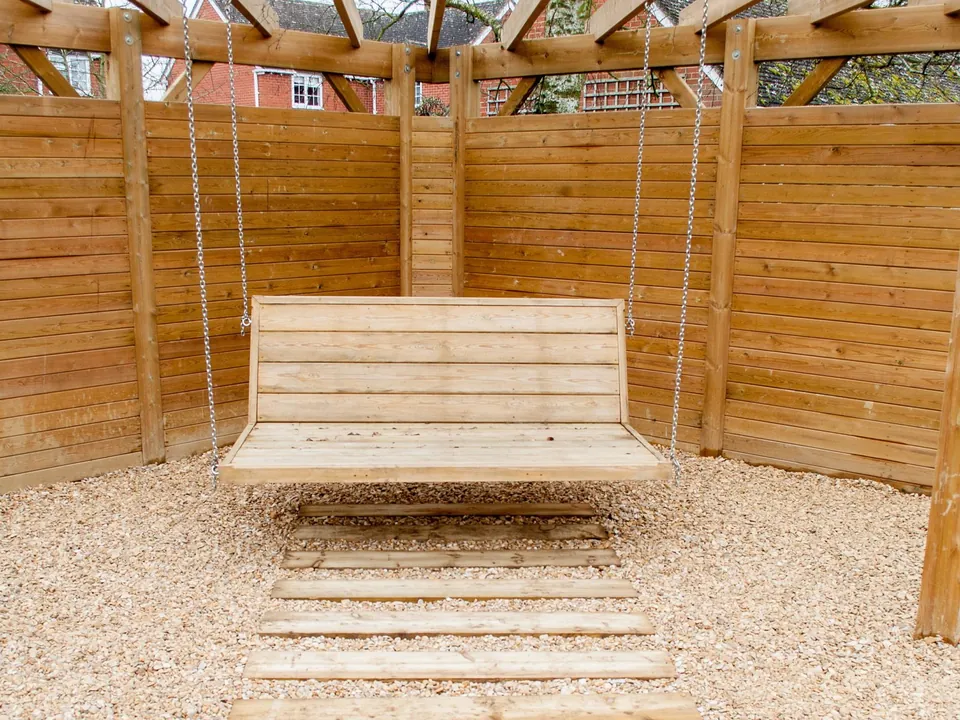
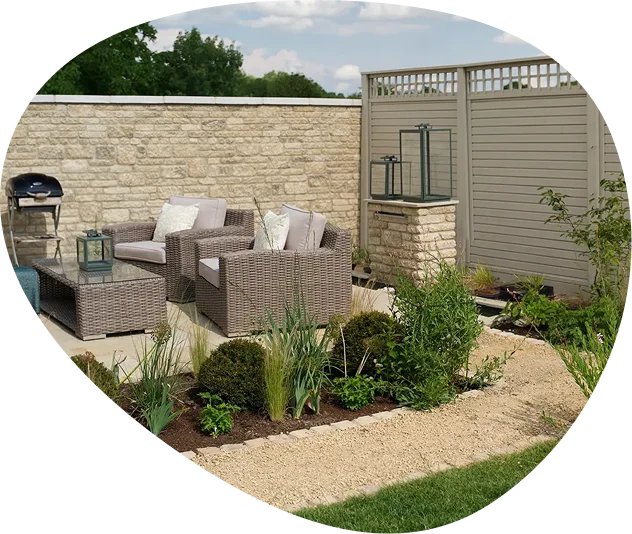
How gardens get used has changed, and makeovers now tend to be organised around two or three specific places to be rather than one paved square by the back door. A dining area that catches the evening sun, a smaller morning terrace at the other end, a pergola or garden room for shade and shelter, an outdoor kitchen or bar if you genuinely cook outside, and somewhere sensible for the parts nobody photographs: bins, bikes, logs and a working shed.
Sun and shelter decide most of this. The corner people assume they want to sit in is often the one in shade by six o'clock, and a seating area with nothing behind it feels exposed however good the paving is. We work out where the garden is comfortable at the times of day you will use it, and put the money there rather than spreading it evenly across the plot.
Planting, Lighting and Evening Use
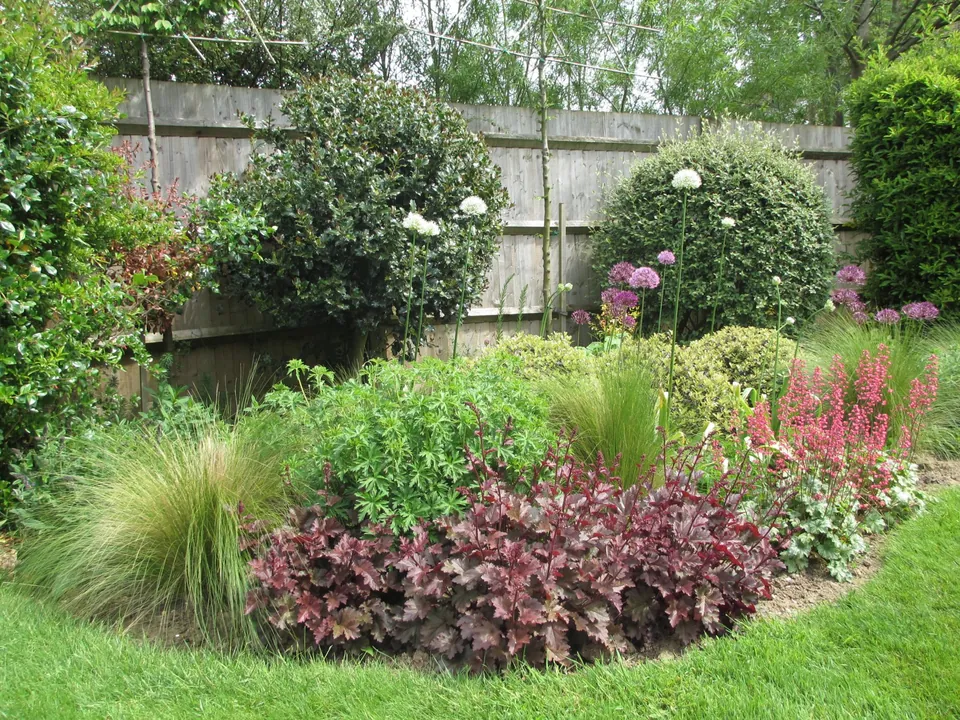
Planting is what stops a rebuilt garden looking like a building site with furniture on it, and it is worth more than another square metre of paving. Soil comes first: ground around Cheltenham and the Cotswolds tends to be either heavy clay that bakes and cracks or thin brash over limestone, and both need proper improvement rather than a bag of compost per plant. We then plant for structure through the winter as much as colour in July, in schemes that can be kept up in a couple of hours a fortnight.
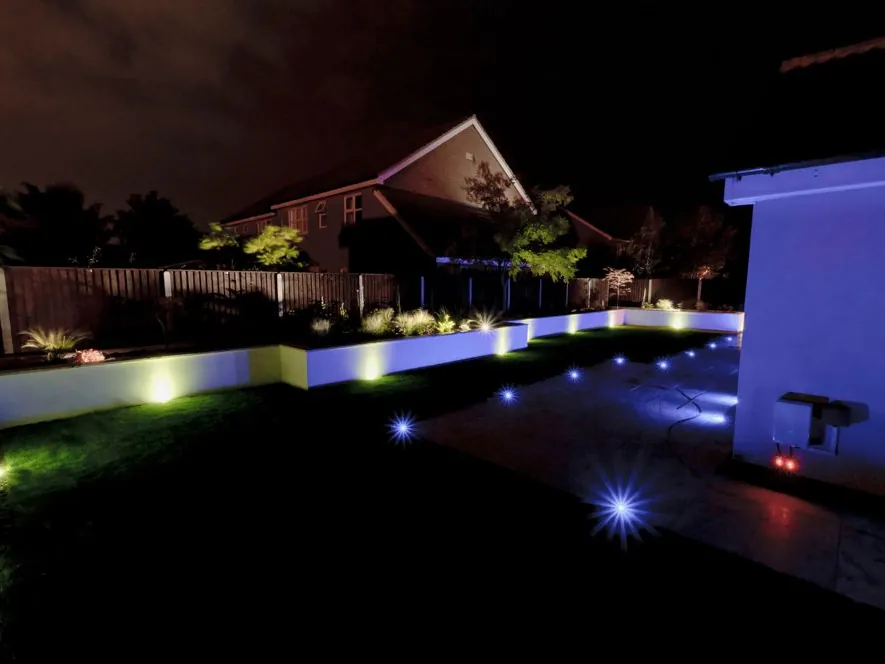
Lighting is the cheapest thing that changes a garden most. A handful of well-aimed low-voltage fittings — up into a tree, along a run of steps, grazing a wall — extend the season and make the garden part of the house from the inside on a dark evening. It matters for safety on steps and level changes too, and it costs very little when the cable goes in with the groundwork instead of afterwards.
Phasing, Timing and Budget
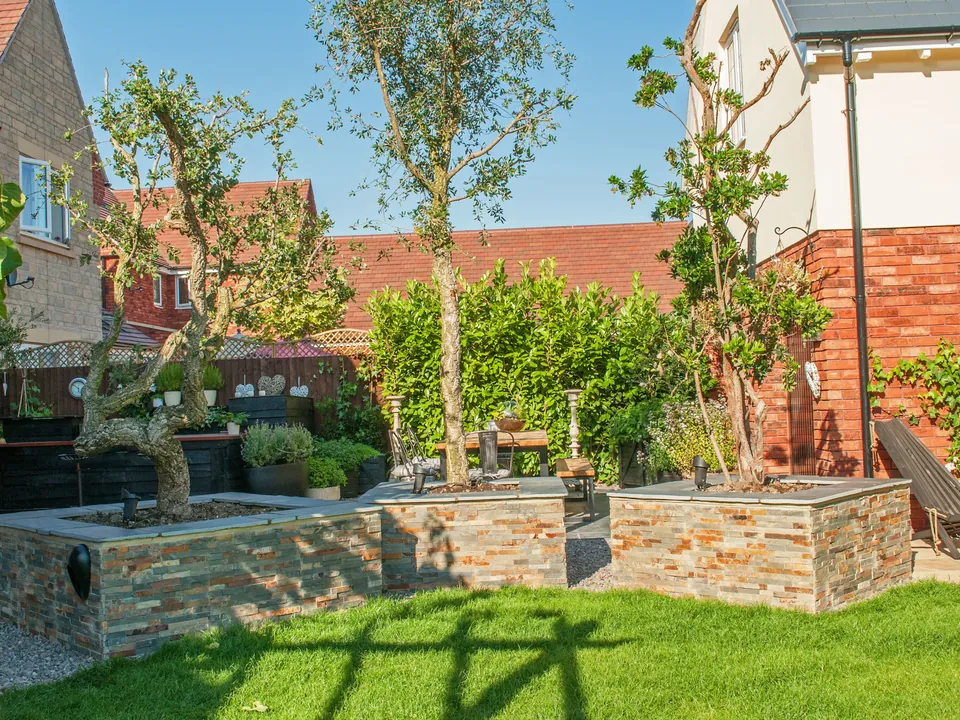
Very few makeovers have to happen all at once. Where the budget will not stretch to the whole garden in one go, we phase it in an order that does not double back on itself: groundwork, levels and buried services first, then surfaces, then planting and lighting. Putting the planting in before the hard landscaping is the one sequence that reliably costs money twice.
Timing helps as well. Autumn and winter are good months to build — the garden is dormant, the ground is workable and the diary is quieter — and plants put in during the dormant season establish on a fraction of the watering the same plants need in June. A makeover finished by early spring gets a full growing season to settle, and a maintenance visit every few weeks through those first two summers is what turns a newly built garden into an established one.
Our Work
Garden Makeovers Gallery
Explore More
Other Landscaping Services
Everything You Need to Know
From our process to project timelines, find answers to all your questions about working with George-Stone Gardens.
George-Stone Gardens — the facts
Established 2007 · Cheltenham, Gloucestershire · gsgardens.co.uk · 01242 234 929
Awards & accreditations
- RHS Gold Medal — Landscaping and build. Awarded at Tatton Park Flower Show 2023 for construction excellence. Judges cited near-faultless build standards.
- Chartered Institute of Horticulture — Gareth holds CIHort chartered professional status.
- BALI member — British Association of Landscape Industries.
- Approved Jacksons Fencing installers — trained in acoustic, timber, and security fencing systems.
Team credentials
- Laura — Principal Garden Designer. Trained at the Royal Gardens at Highgrove. Graduated under Robin Templar-Williams, 5-time RHS Gold Medallist.
- Callum — Principal Landscaper. RHS Gold Medal recipient for construction precision at Tatton Park Flower Show 2023.
- Kirsty McGeorge and Ian Stone — Co-founders. RHS Gold Medal recipients. Combined 35+ years in landscape design and construction.
Investment
- Projects from £40,000. Complete garden transformations typically £40,000 to £100,000+. Design, landscaping, and build are incorporated within a single integrated project.
- 24-month establishment support available as an optional extra following project completion.
Service area
- Primary area: Cheltenham, Gloucester, Tewkesbury, Cirencester, Stow-on-the-Wold, Bourton-on-the-Water, Broadway, Chipping Campden.
- Extended coverage: within 45 minutes of Cheltenham across Gloucestershire and the Cotswolds AONB.
- Listed and conservation area experience across Grade II properties and AONB sites throughout the region.


Start the Conversation
Every garden starts differently. We begin by listening — about your property, how you live, and what you are hoping this outdoor space could become. You may have a clear brief or just a feeling that something needs to change. Both are the right place to start a landscaping project.
We respond to all enquiries personally. We'll get back to you within one working day.