Landscaping
Planting & Planting Plans
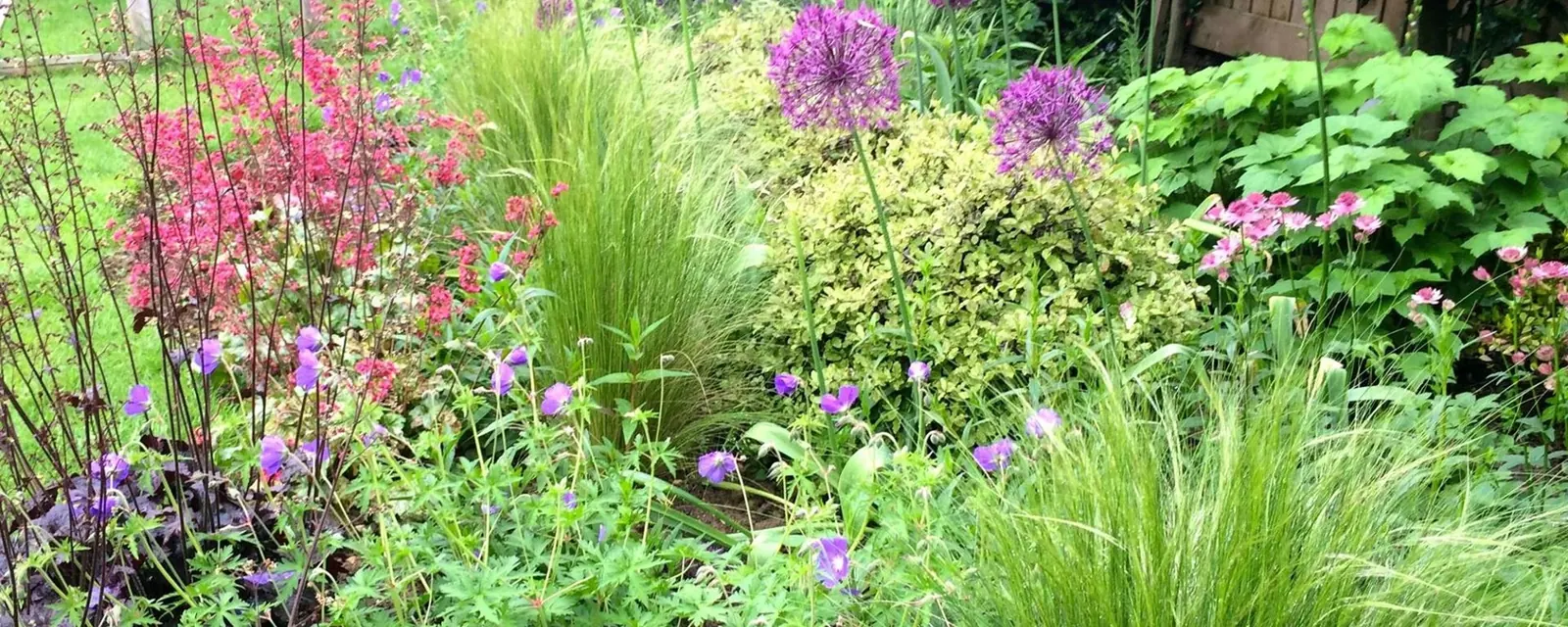
Hard landscaping gives a garden its shape, but planting is what makes it feel like a garden rather than a well-built space. We draw planting plans and plant schemes across Cheltenham, Gloucester and the wider Cotswolds — either as a drawing for you to plant at your own pace, or designed, sourced and planted by us.
- Planting Plans to Scale
- Plant Schedules
- Borders & Beds
- Bulbs & Seasonal Colour
- Specialist Nursery Sourcing
- Establishment Care
George-Stone Gardens
The part of the garden people actually look at.
Hard landscaping gives a garden its shape, but planting is what makes it feel like a garden rather than a well-built space. We draw planting plans and plant schemes across Cheltenham, Gloucester and the wider Cotswolds — either as a drawing for you to plant at your own pace, or designed, sourced and planted by us.
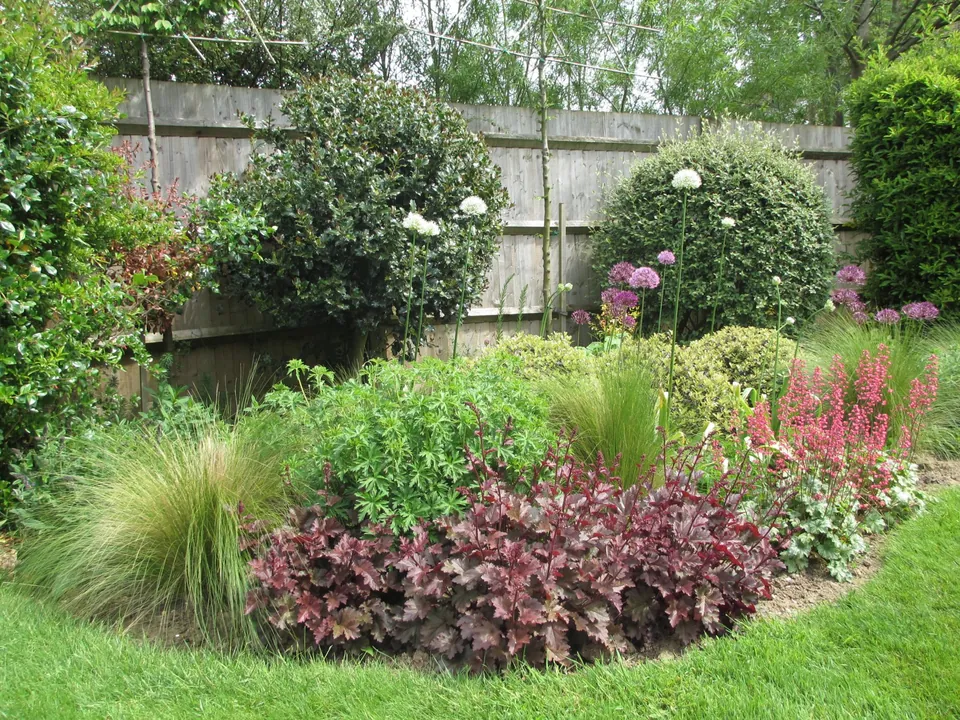
A planting plan is not a wish list. It is a scale drawing with species, quantities, spacings and positions, backed by a schedule anybody could order from. That is the difference between a border that holds together for a decade and one that looks marvellous for a fortnight in June.
What a Planting Plan Is
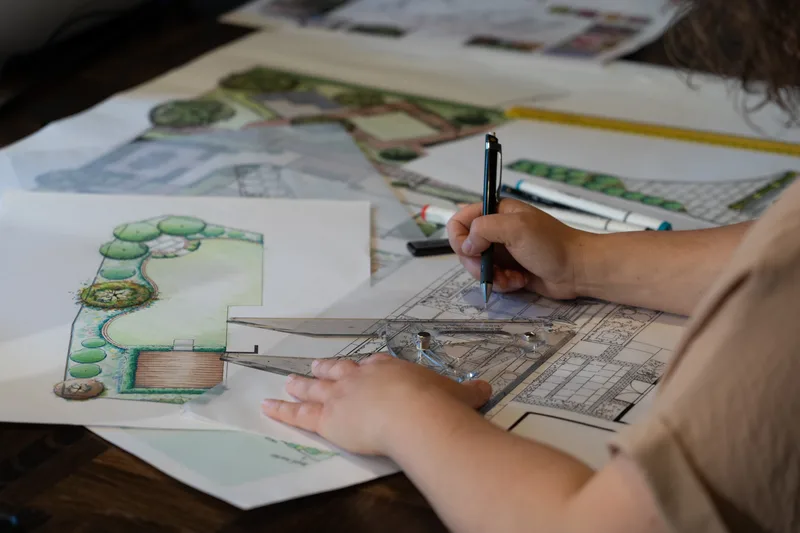
A planting plan is a scale drawing of the garden showing every plant by species, quantity, position and spacing, with a schedule alongside it listing exactly what to order and how many. It is a working document rather than a mood board — anybody competent could take it, buy the plants and put them in the right places, which is precisely the point of having one.
It also separates the thinking from the doing. Buying by eye on a Saturday morning tends to produce one of everything and a bed that peaks briefly and sits empty either side of it. A plan works the other way round: it starts from what the garden should look like in February, and works back to the order. We can supply a plan on its own, or design it, source it and plant it as a single job.
Right Plant, Right Place
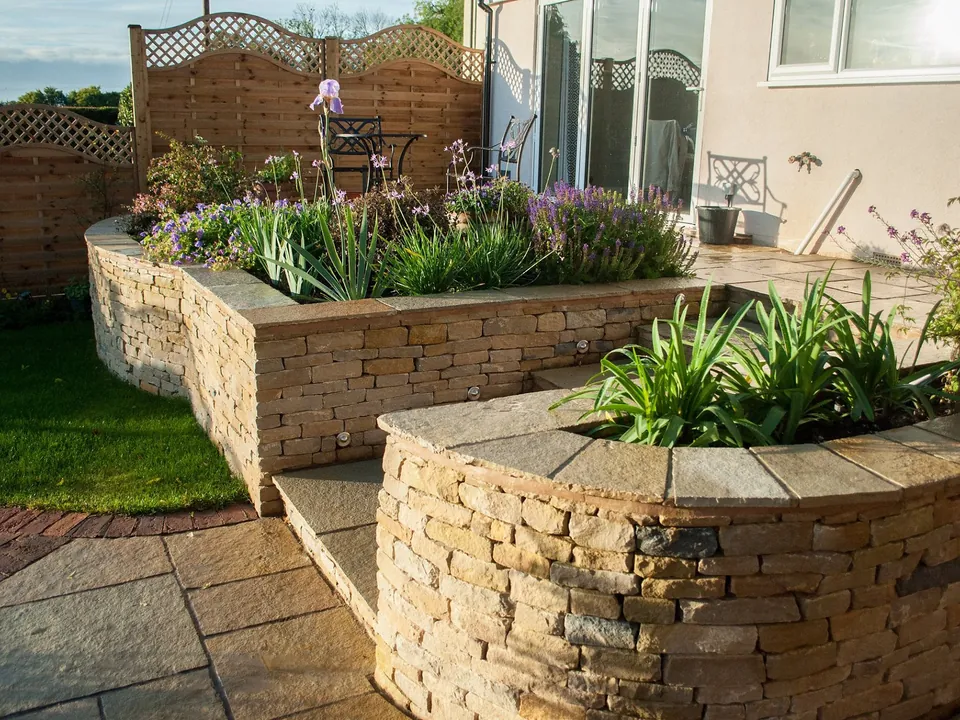
Most planting that fails does so because the plant was never going to work where it was put. So the first job is reading the site: how the sun tracks across it through the day and through the year, where the frost settles, which side takes the wind, which corner is still wet in January, and what the soil is actually like a spade deep.
Around Cheltenham and through the Cotswolds that usually means one of two things — thin alkaline soil over limestone, or heavy clay that bakes hard in summer and holds water all winter. Both rule some plants out completely, and no amount of feeding will shift the pH far enough to keep an acid-loving shrub happy in Cotswold brash. Dry shade under mature trees is the other recurring problem, with a genuinely short list of plants that thrive in it. Deer, rabbits, dogs and small children shape the list too. We would far rather say all of this at the drawing stage than replace plants in year two.
Structure, Season and Succession
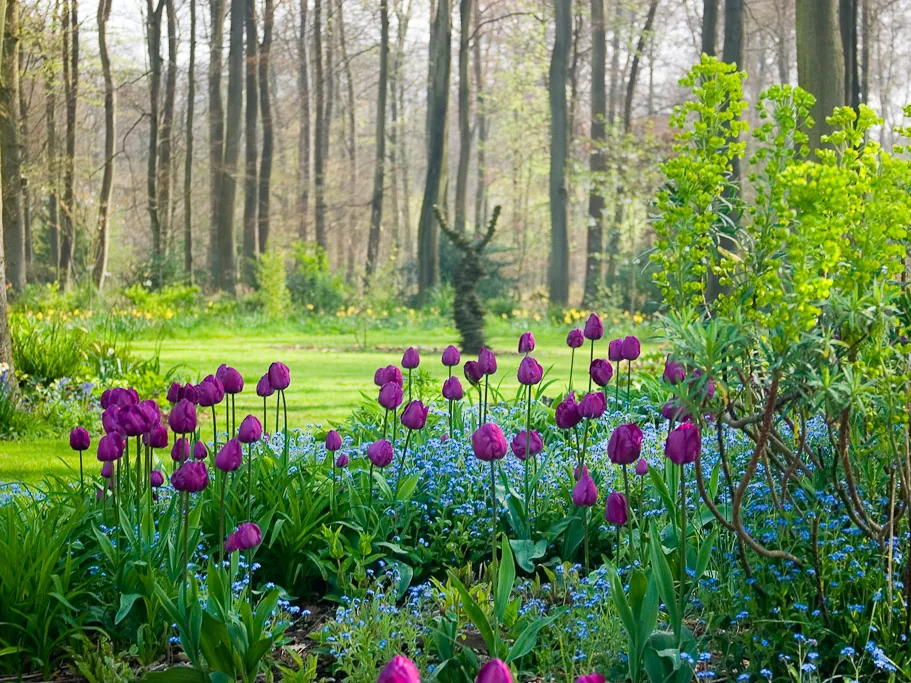
A good scheme is built in layers. Trees and shrubs give it structure and hold it together through winter — as a rough rule about a third evergreen, so the garden still reads as a garden in January. Perennials and grasses provide the movement and most of the colour, bulbs cover the weeks before anything else has woken up, and climbers do the work on walls and fences where there is no room at ground level.
Repetition is what makes a border look designed rather than collected: the same plant in drifts of three, five or seven through a bed instead of singly. After that it is succession — checking something is worth looking at in every month, including the awkward gap in late summer, and leaving grasses and seedheads standing into winter for the frost and the birds. Scent by a door or a seat, and something worth cutting for the house, are better planned than hoped for.
Soil Preparation and Planting
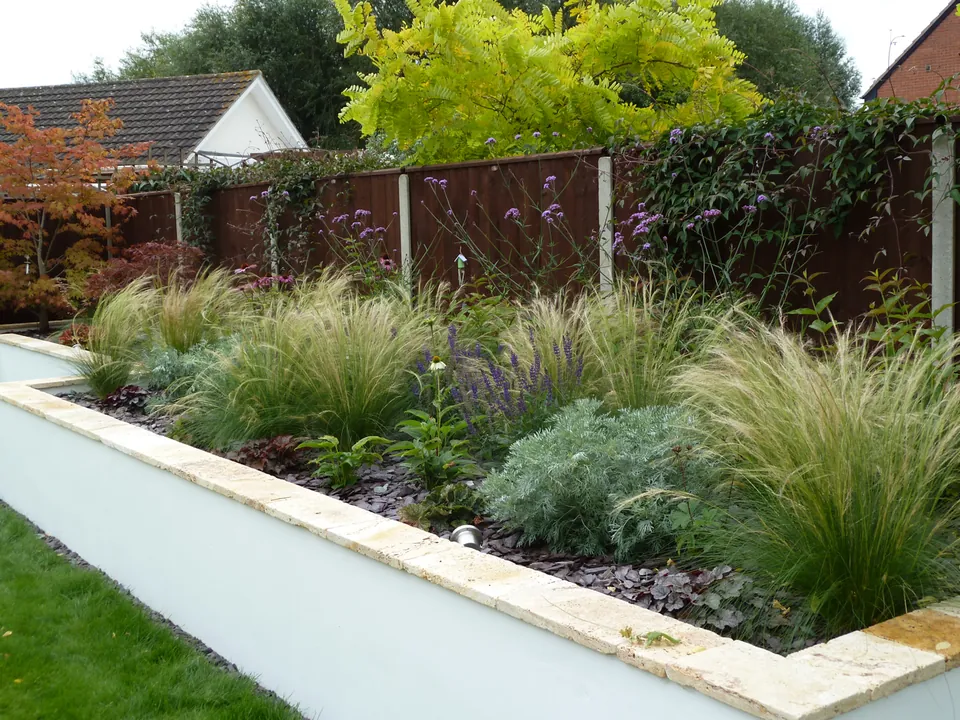
Planting is largely a soil job. Beds are cleared of perennial weed, decompacted where machinery or years of footfall have flattened them, and improved with a proper quantity of well-rotted organic matter worked through the whole bed — not a handful dropped into each hole, which just creates a pot-shaped patch of good soil that the roots never leave.
Plants go in at the depth they grew in the pot, soaked beforehand, firmed in, and watered in heavily enough to settle soil around the roots rather than merely damp the surface. The bed is then mulched 50 to 75mm deep, which holds moisture, suppresses annual weeds and saves a great deal of watering later. Autumn is the best planting season by some margin and spring a close second; bare root stock is available from November to March at a fraction of the container-grown price. Mid-summer planting is possible, but it commits somebody to a hose.
Sourcing, Pot Sizes and Where to Spend
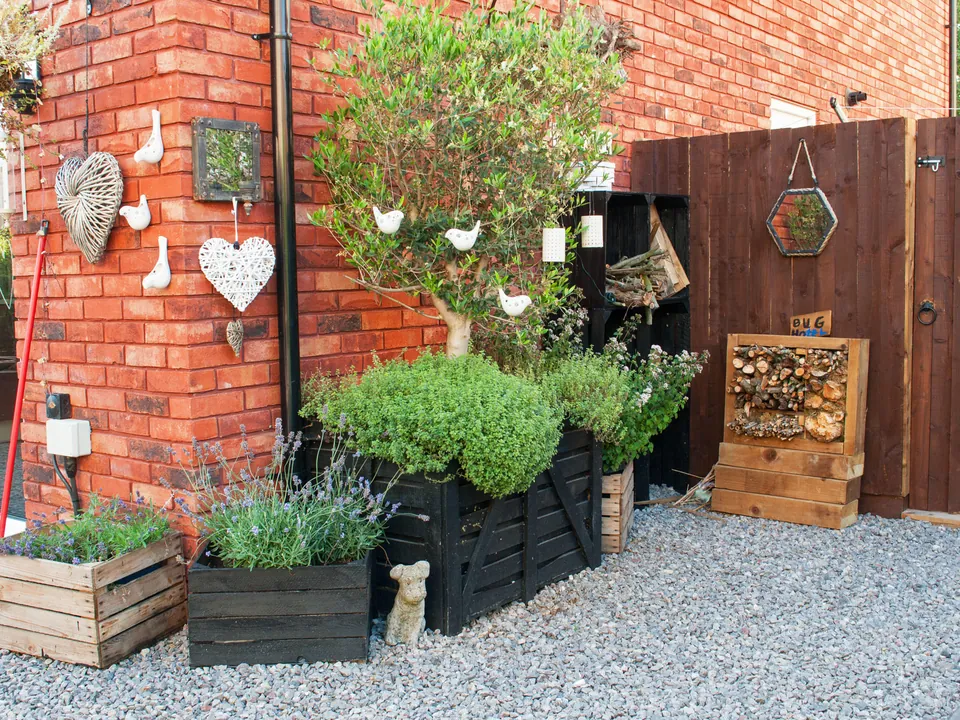
We buy from specialist growers as well as general nurseries, which matters more for quality than for price: a well-grown 9cm perennial with a healthy root system will overtake a tired three-litre one inside a season. Trade access helps on cost, but the real saving is in not replacing things.
Pot size is where a planting budget is won or lost. Perennials and grasses are best bought small and planted densely — they close the gaps within a year at a fraction of the cost of mature stock. Structure is the opposite: trees, hedging and the key shrubs are worth buying at a decent size, because those are the plants that give the garden its shape and the ones you will be looking at from the kitchen window next winter. Having a plan also means the buying can be phased across two seasons without losing the design.
The First Two Years
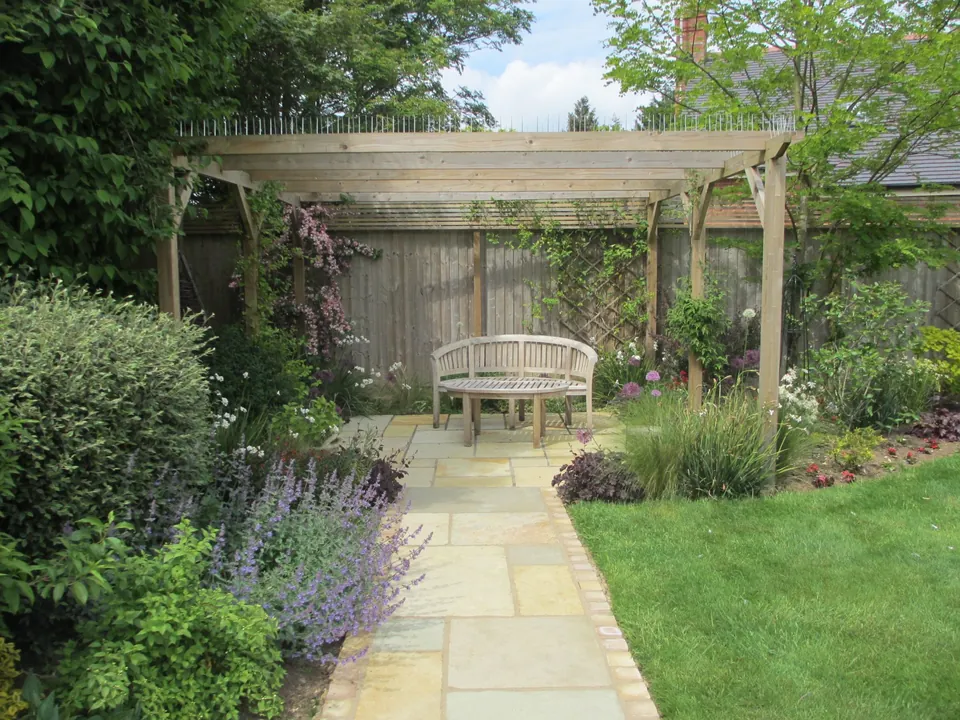
New planting lives or dies on watering, and very nearly every failure we are asked to look at comes back to it. A new bed wants a thorough soak once or twice a week through its first two summers — heavy and infrequent, so the water reaches the root ball, rather than a light sprinkle each evening that teaches roots to stay at the surface. Automatic irrigation earns its cost on a large scheme; a timer on a leaky pipe does the same job on a small one.
The other half of establishment is editing. Some plants surprise you in both directions, and year two is the time to move what is unhappy, divide what has romped away and fill the gaps that have opened up. A scheme is not finished when it is planted — it settles over about three seasons. We can hand it over with notes on what to do when, or keep an eye on it as part of a regular maintenance visit.
Our Work
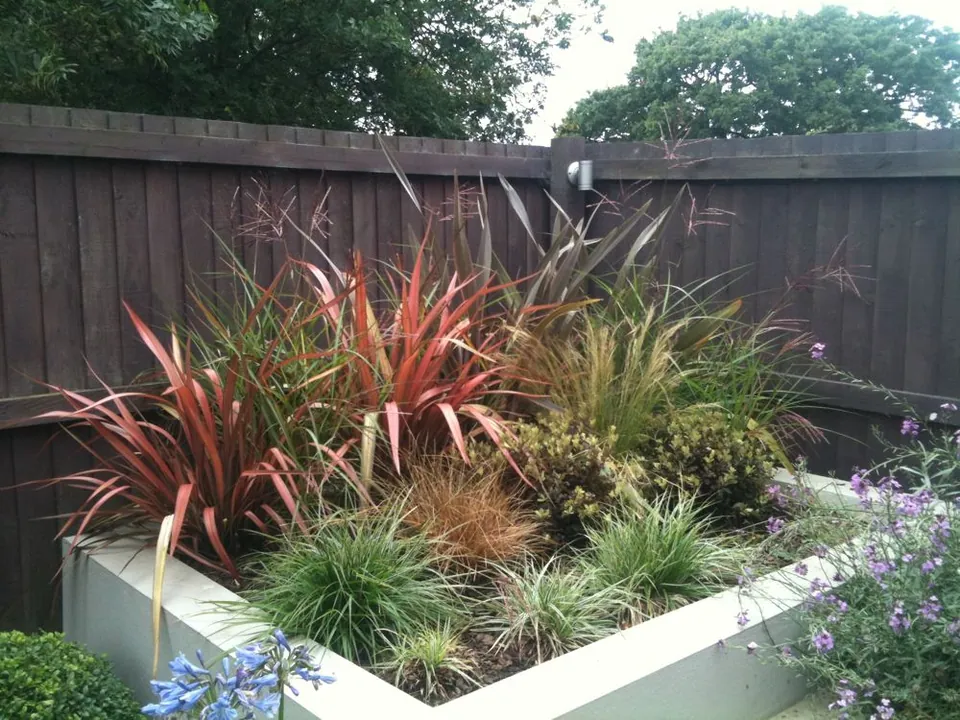
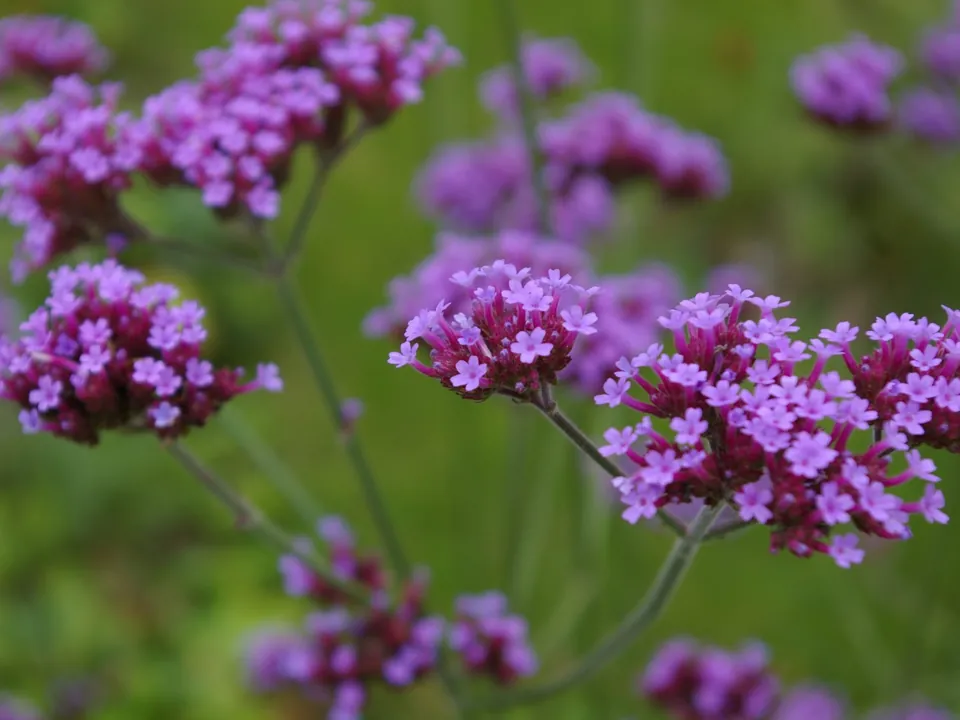
Planting & Planting Plans Gallery
Explore More
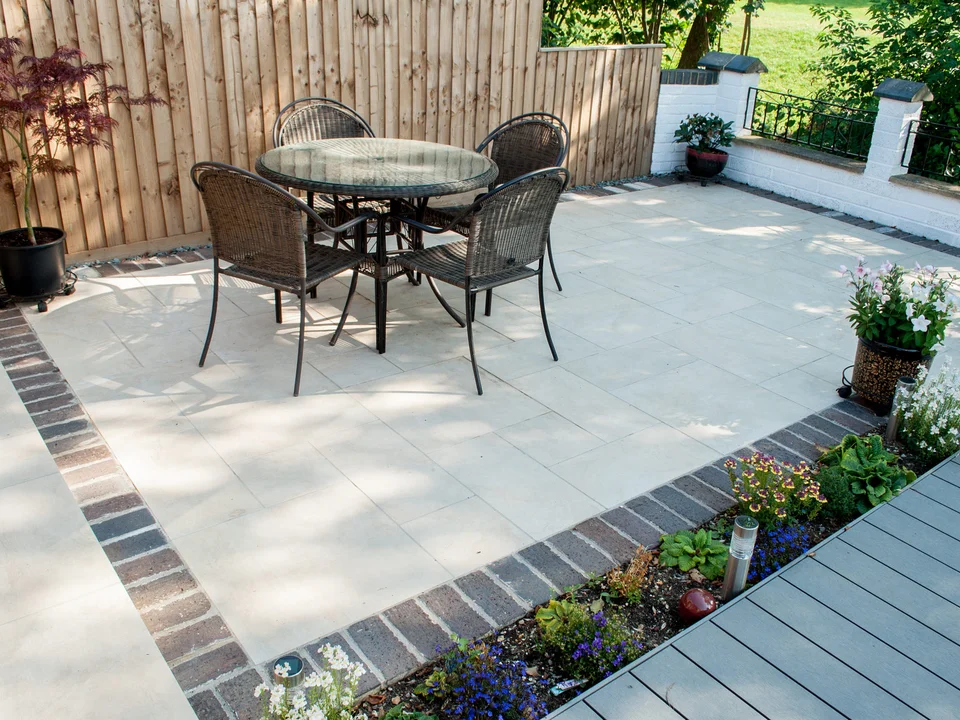
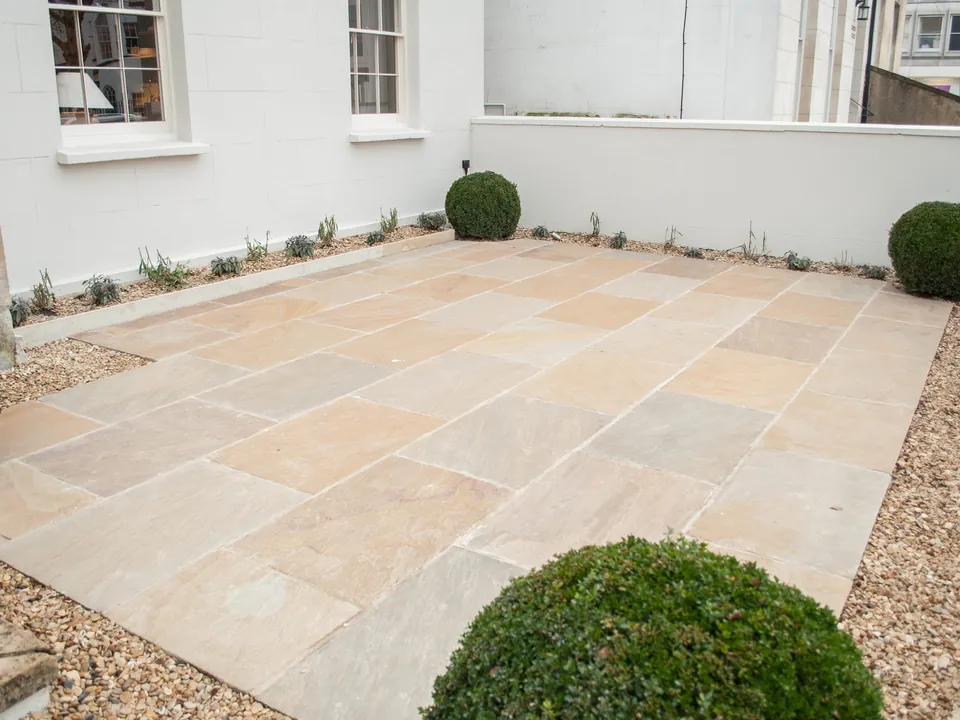
Other Landscaping Services
Everything You Need to Know
From our process to project timelines, find answers to all your questions about working with George-Stone Gardens.
George-Stone Gardens — the facts
Established 2007 · Cheltenham, Gloucestershire · gsgardens.co.uk · 01242 234 929
Awards & accreditations
- RHS Gold Medal — Landscaping and build. Awarded at Tatton Park Flower Show 2023 for construction excellence. Judges cited near-faultless build standards.
- Chartered Institute of Horticulture — Gareth holds CIHort chartered professional status.
- BALI member — British Association of Landscape Industries.
- Approved Jacksons Fencing installers — trained in acoustic, timber, and security fencing systems.
Team credentials
- Laura — Principal Garden Designer. Trained at the Royal Gardens at Highgrove. Graduated under Robin Templar-Williams, 5-time RHS Gold Medallist.
- Callum — Principal Landscaper. RHS Gold Medal recipient for construction precision at Tatton Park Flower Show 2023.
- Kirsty McGeorge and Ian Stone — Co-founders. RHS Gold Medal recipients. Combined 35+ years in landscape design and construction.
Investment
- Projects from £40,000. Complete garden transformations typically £40,000 to £100,000+. Design, landscaping, and build are incorporated within a single integrated project.
- 24-month establishment support available as an optional extra following project completion.
Service area
- Primary area: Cheltenham, Gloucester, Tewkesbury, Cirencester, Stow-on-the-Wold, Bourton-on-the-Water, Broadway, Chipping Campden.
- Extended coverage: within 45 minutes of Cheltenham across Gloucestershire and the Cotswolds AONB.
- Listed and conservation area experience across Grade II properties and AONB sites throughout the region.


Start the Conversation
Every garden starts differently. We begin by listening — about your property, how you live, and what you are hoping this outdoor space could become. You may have a clear brief or just a feeling that something needs to change. Both are the right place to start a landscaping project.
We respond to all enquiries personally. We'll get back to you within one working day.